Paint Protection Film
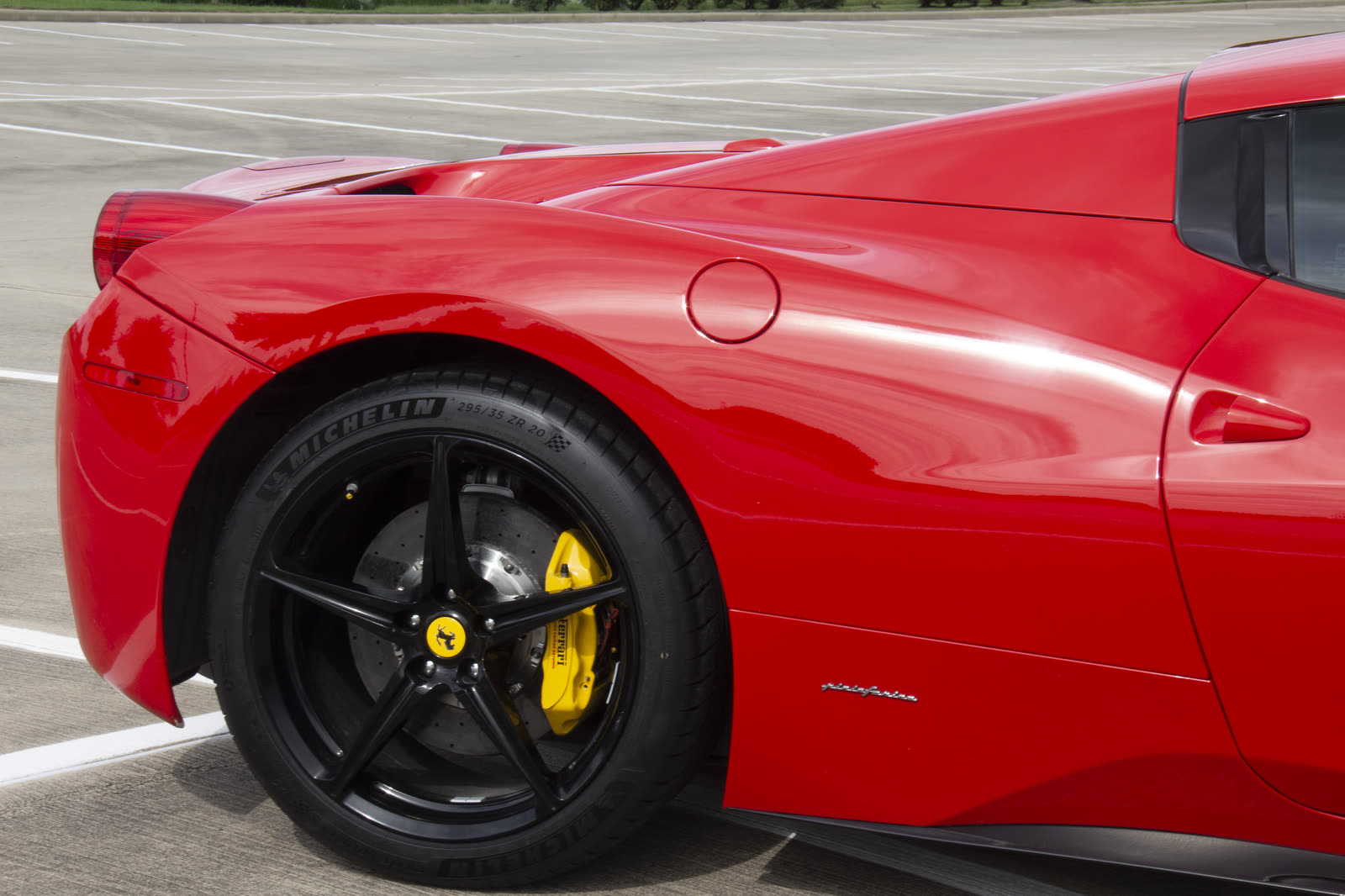
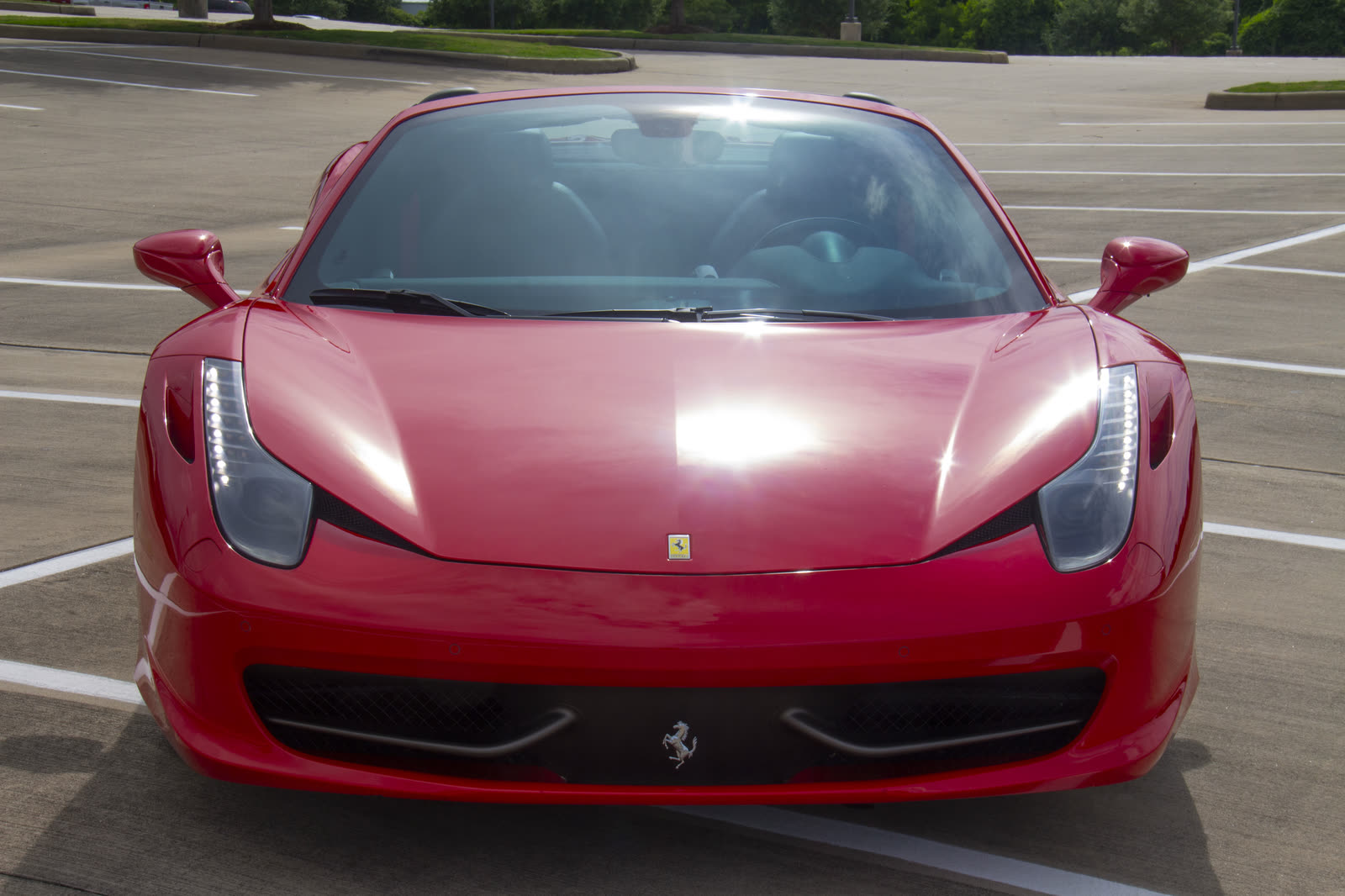
For the panels that take hits. Top-quality protective film where the road actually reaches: nose, mirrors, rockers, A-pillars. Computer-cut for the exact model, or bulk-installed with wrapped edges where the pattern falls short of the panel.
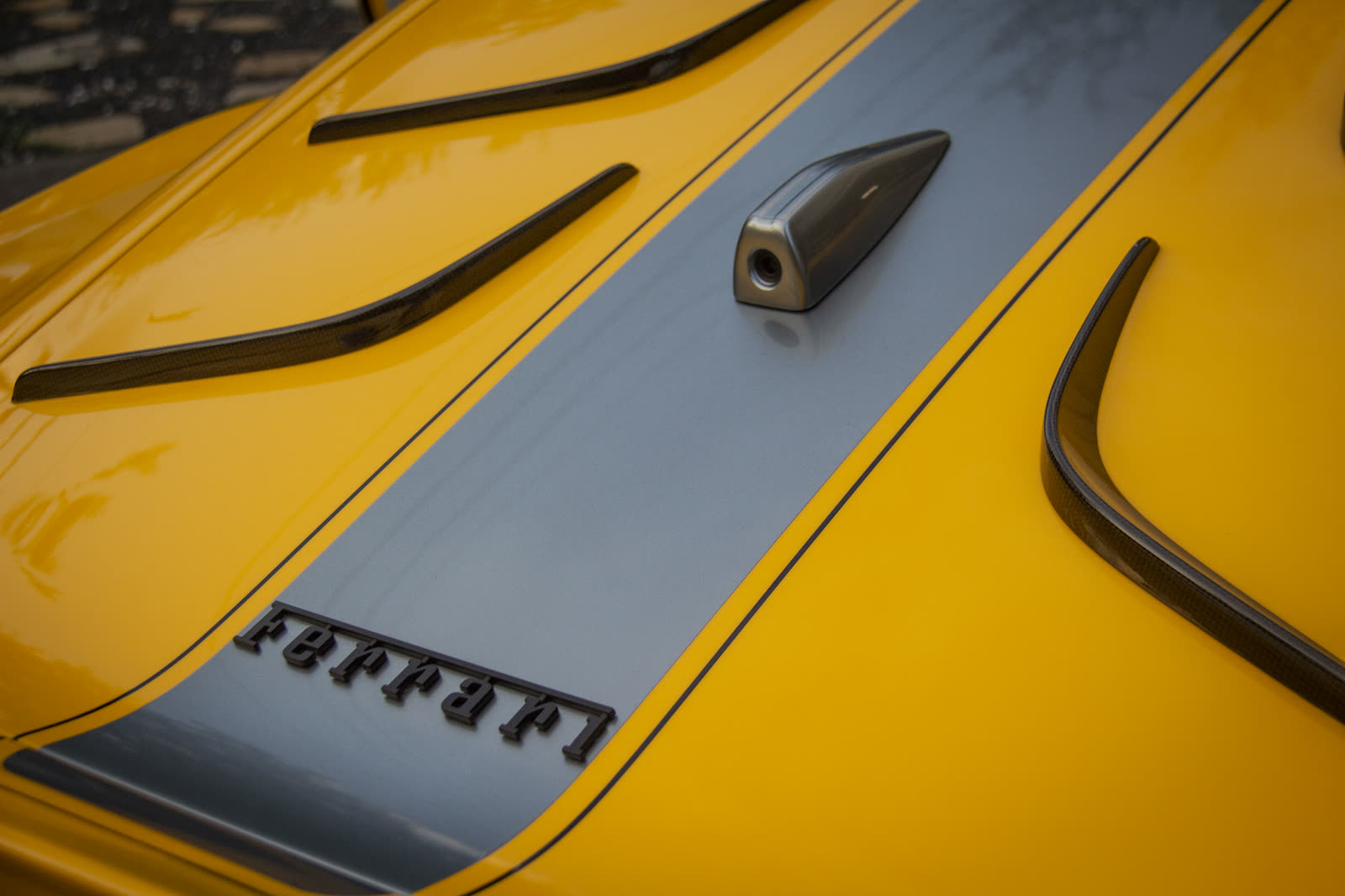
Partial or full body coverage
Self-healing
Wrapped edges
How it works.
Plan the coverage
We agree which panels to cover: the high-impact areas at the front, or the whole car.
Prepare the paint
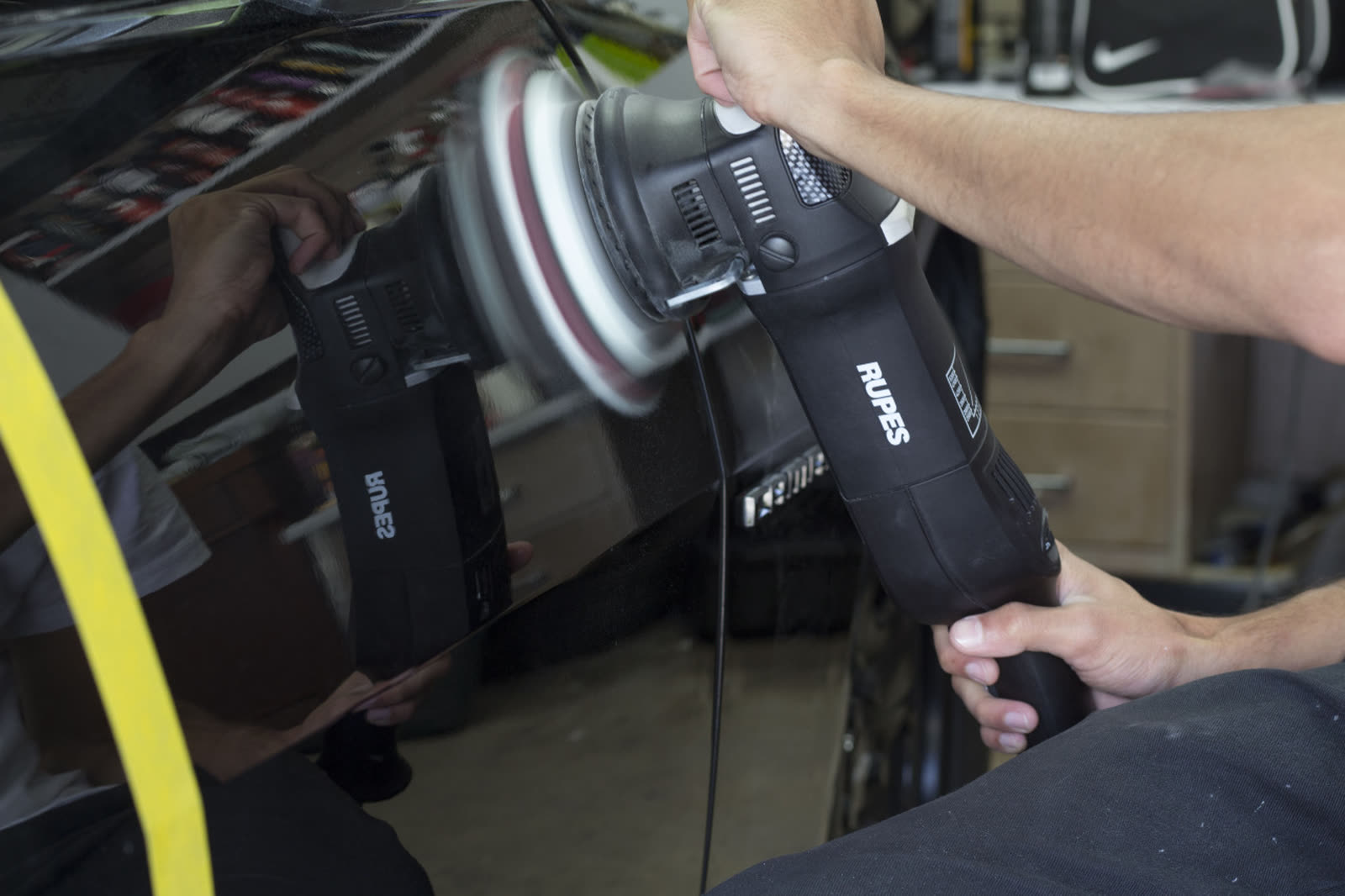
The paint is cleaned and decontaminated, and corrected first if it needs it, since film preserves whatever is underneath.
Fit the film
Film is computer-cut for the exact model, or bulk-installed and trimmed by hand where a pattern falls short, with edges wrapped wherever the panel allows.
Finish the edges
Edges are checked and the film is left to settle before the car goes back on the road.
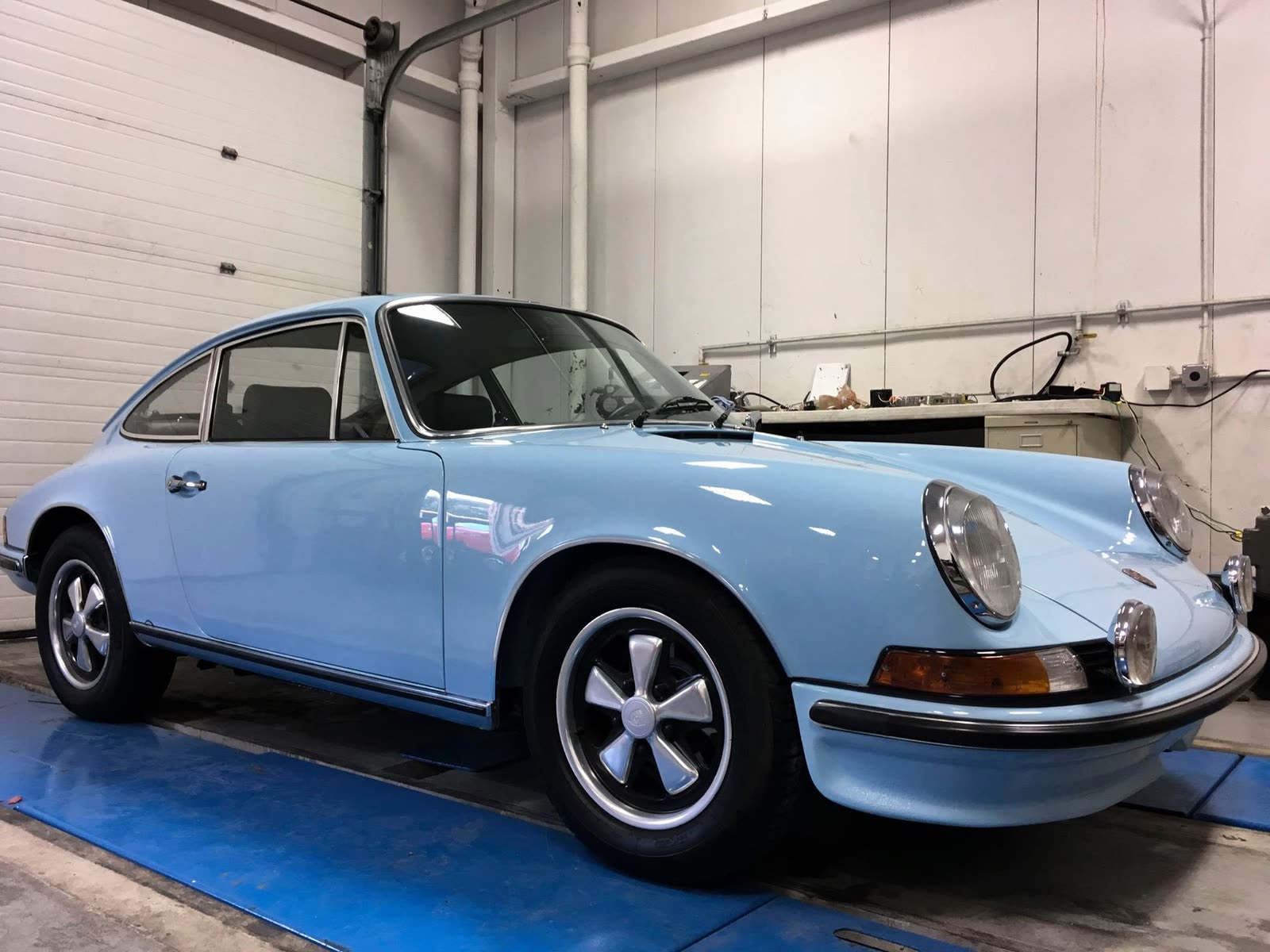
Gallery.
Good to know.
- What is paint protection film?
- A clear, tough urethane film applied over the paint. It takes the rock chips, road debris, and light scratches that would otherwise reach the clear coat.
- Will I be able to see it?
- Good film on a well-prepared panel is close to invisible. Wrapped edges keep the edge of the film out of sight wherever the panel allows.
- What does self-healing mean?
- Light swirls and marks in the film's top layer level out with heat, from the sun or warm water, so the surface keeps its finish.
- Which areas should I cover?
- Most people start with the areas that take hits: the bumper, hood, fenders, mirrors, and rockers. Full body coverage protects every painted panel.
Pairs well with.
Tell us what
you drive.
Send a few photos and we will come back with a real number and a realistic timeline, not a range with a question mark.